Methodology
How The Inquirer
reads power.
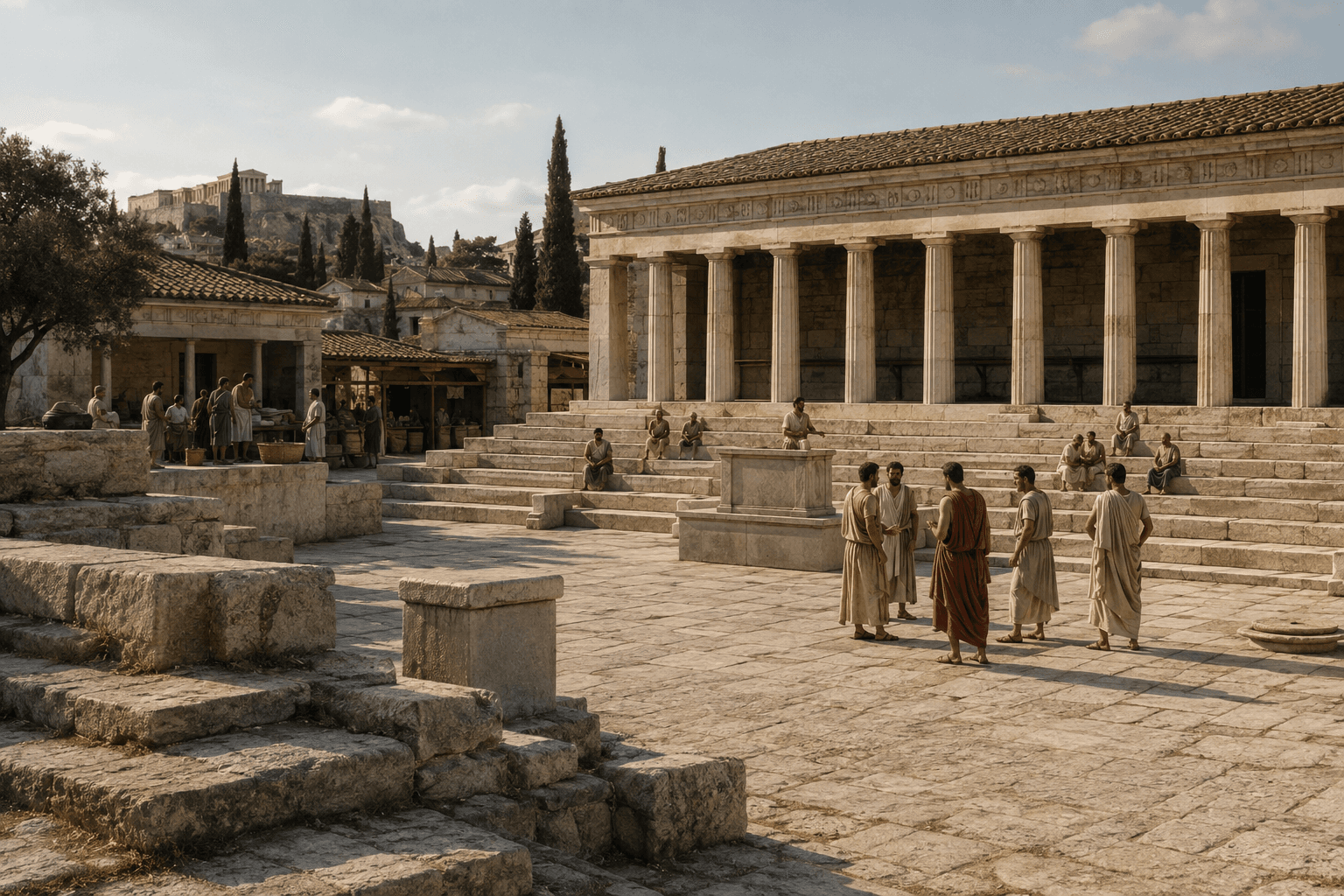
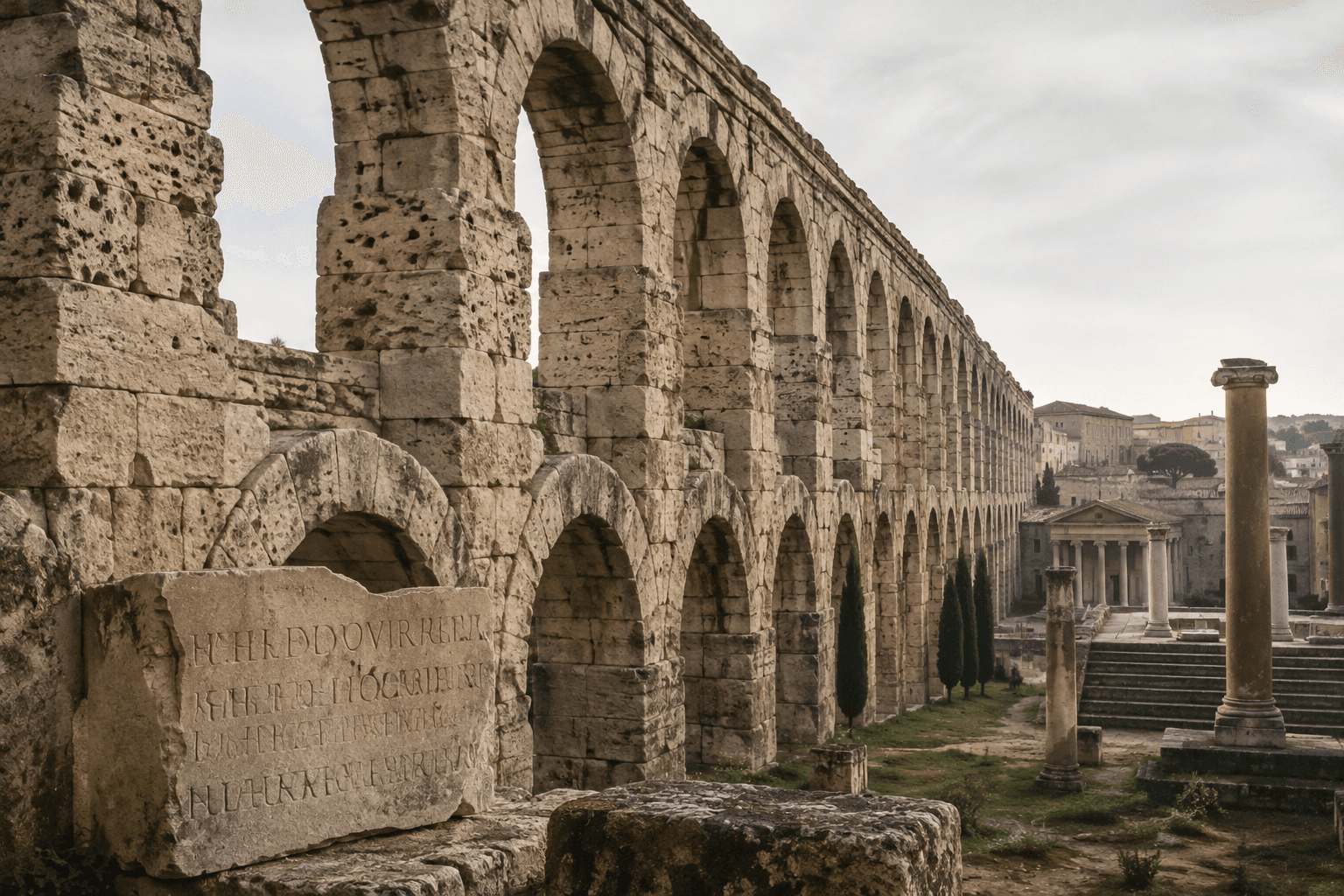
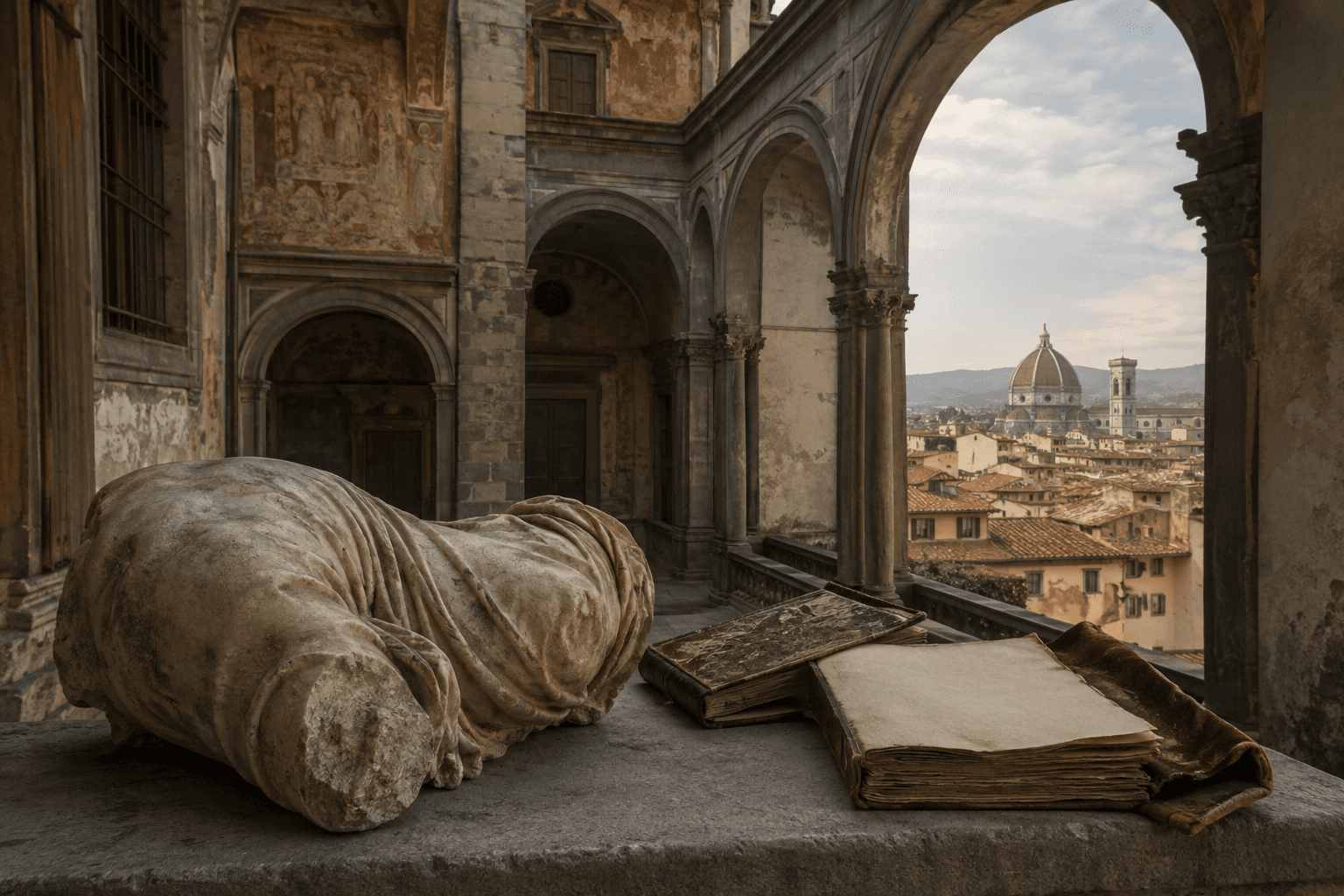
“Choose an institution, object, event, idea or social structure from your society's history. What does it reveal about how power was created, exercised or challenged?”
I · Begin with four questions
How is it legitimised?
Who is excluded?
How is it challenged?
II · Read through five lenses
Political
Institutions, law, sovereignty and the right to rule.
Economic
Wealth, labour, resources and systems of exchange.
Social
Status, belonging, hierarchy and everyday life.
Cultural
Ideas, images, ritual and the authority to define meaning.
Resistance
How people contest, evade and remake established power.
III · Meet the evidence standard
Interpret boldly.
Substantiate precisely.
Strong historical writing makes its reasoning visible. Every published inquiry must:
- Make one clear historical claim.
- Ground it in specific evidence.
- Distinguish fact from interpretation.
- Cite four credible sources.
- Acknowledge complexity and contested memory.
IV · The editorial journey
Submit
→Review
→Revise
→Publish
→Compare
V · Connect the archive
Power. Place. Time.
Compare a shared structure across societies.
See how local context changes the shape of authority.
Trace continuity, rupture and reinvention.
“The purpose is not to produce one answer, but to make patterns—and disagreements—visible.”